November 3, 2026
Healthy, mature trees can make a property more inviting while contributing shade, privacy, and a mature landscape. However, trees also require careful attention as they grow, especially when branches extend over structures or roots develop near improvements. Ignoring routine maintenance may allow small concerns to become expensive problems that affect a property's appearance, safety, and usability.
Working with certified local arborists gives homeowners access to specialized knowledge about tree biology, structural conditions, and appropriate maintenance practices. Rather than waiting until a tree becomes visibly damaged, property owners can establish a proactive care plan that supports healthy growth and helps protect their investment.
Understanding how tree care contributes to maintenance makes it easier to budget for services and prioritize lasting improvements.
Evaluating Tree Health Before Problems Develop
A tree may appear healthy from a distance while showing early signs of decay, stress, or structural weakness. Discolored leaves, dead branches, fungal growth, and changes around the trunk can indicate conditions that deserve closer attention. A professional assessment considers the entire tree, including its canopy, root environment, growth patterns, and proximity to nearby structures.
Certified local arborists can identify potential concerns and recommend an appropriate response based on the species and site conditions. Some trees benefit from selective pruning, while others need changes to watering, drainage, or soil management. Recognizing these differences prevents homeowners from investing in unnecessary work or overlooking a developing problem.
Regular evaluations also establish a useful history of each tree's condition. When professionals document changes over time, they can distinguish normal seasonal behavior from symptoms that warrant investigation. This proactive approach supports better maintenance decisions and helps property owners address concerns before the cost of corrective work increases.
Protecting Buildings and Outdoor Improvements
Trees are important landscape features, but their placement and growth can create challenges for nearby structures. Overextended limbs may contact roofing materials, gutters, siding, or utility lines. Roots can also contribute to problems around certain paved surfaces, retaining walls, and underground infrastructure, depending on the species and surrounding conditions.
Local arborists evaluate how existing trees interact with buildings and recommend practical ways to manage those relationships. Careful pruning may create additional clearance without compromising a tree's natural form. In other circumstances, monitoring, root-zone protection, or consultation with another qualified professional may be more appropriate than aggressive cutting.
Homeowners should also consider tree placement when planning patios, driveways, fences, and additions. Protecting important roots during construction can reduce avoidable stress and preserve valuable landscape features. Addressing these considerations early may prevent conflicts that would otherwise require costly changes after improvements are complete.
Preserving Curb Appeal and Marketability
Well-maintained trees create a sense of maturity that newly installed landscaping often cannot provide immediately. Their canopies frame a home, soften architectural lines, and make outdoor spaces more comfortable. Conversely, extensive deadwood, uneven growth, or visibly declining trees may distract from otherwise attractive improvements.
Working with local arborists helps homeowners balance attractive landscaping with responsible tree management. Appropriate pruning can improve a tree's shape and visibility while preserving the branches needed for healthy growth. Professionals can also explain when removal and replacement may be reasonable if a tree is severely compromised or unsuitable for its location.
For owners preparing to sell, consistent maintenance helps the landscape present as an asset rather than a list of unresolved concerns. Buyers may appreciate established shade, usable outdoor areas, and evidence that large trees have received attention. Although professional care cannot guarantee a higher selling price, it can support the property's overall condition and visual appeal.
Managing Pests, Disease, and Soil Conditions
Tree health depends on more than the appearance of branches and leaves. Compacted soil, limited drainage, drought, physical damage, and competition for nutrients can gradually weaken trees. These conditions sometimes resemble pest or disease problems, making accurate identification essential before treatment begins.
Local arborists assess site conditions alongside visible symptoms to understand what may be affecting a tree. Depending on their findings, recommendations could include improving mulch placement, adjusting irrigation practices, reducing soil compaction, or monitoring for particular insects and pathogens. A measured response is often preferable to applying products without confirming the cause.
Professional qualifications matter when comparing service providers. According to WifiTalents, approximately 201,800 tree service businesses currently operate in the U.S. With many providers available, checking arborist credentials, relevant experience, insurance, and the proposed scope of work can help homeowners choose services suited to their property rather than relying on price alone.
Planning Pruning and Structural Maintenance
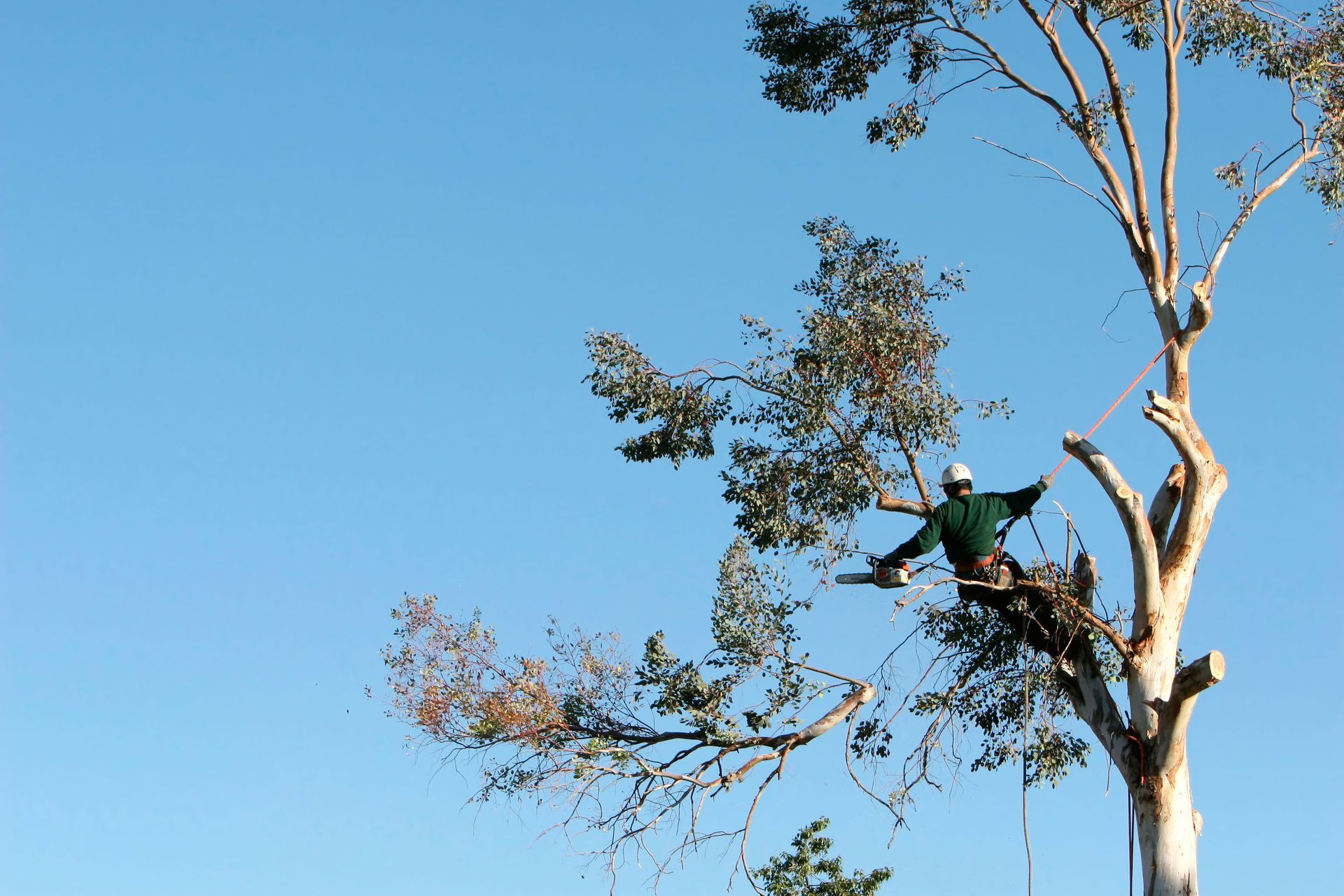
Pruning is most effective when it serves a clear purpose, such as removing deadwood, improving clearance, or guiding growth in a younger tree. Cutting too much foliage or making poorly placed cuts can create stress and leave lasting structural problems. Different tree species also respond differently to pruning methods and timing.
Certified local arborists develop maintenance recommendations that consider tree age, condition, seasonal factors, and long-term growth. For young trees, early structural pruning may help establish better branch spacing and reduce future maintenance demands. Mature trees often need a more conservative approach designed to preserve stability and minimize unnecessary tissue removal.
A thoughtful pruning schedule can also reduce repeated emergency work. Instead of reacting whenever branches become inconvenient, homeowners can coordinate tree maintenance with landscaping projects, roof work, and routine exterior inspections. This improves planning while helping established trees retain the characteristics that make them valuable landscape features.
Reducing Storm Damage and Property Risks
Wind, heavy rain, ice, and snow can expose weaknesses in trees that previously seemed stable. Dead limbs, split attachments, and certain structural defects may increase the potential for branch failure during severe weather. However, even healthy trees can sustain damage in extreme conditions, so no maintenance program eliminates every risk.
Local arborists can evaluate visible risk factors and identify measures that may reduce the likelihood or consequences of failure. Recommendations could involve targeted pruning, additional monitoring, or removal when a tree presents an unacceptable risk that cannot be reasonably managed. Their assessments are especially useful near homes, parking areas, walkways, and spaces where people frequently gather.
After a storm, homeowners should avoid approaching hanging branches or damaged trees near power lines. Qualified professionals can determine which work requires specialized equipment and safe access procedures. Planning inspections before severe weather arrives may also provide more flexibility than arranging urgent repairs after widespread damage.
Building a Long-Term Tree Care Strategy
Maintaining trees successfully requires a plan that accounts for changing seasons and landscape needs. Young trees may need careful watering, mulching, and structural guidance, while mature specimens benefit from periodic assessments and maintenance tailored to their condition. Documenting service dates and recommendations helps homeowners avoid inconsistent care.
By working with local arborists over time, property owners can establish priorities and spread appropriate maintenance expenses across multiple years. A plan may identify trees that need immediate attention, those that only require observation, and opportunities to plant suitable replacements. Choosing species with enough room to mature can also prevent future conflicts with structures and utilities.
Professional guidance works best when paired with regular homeowner observations. Noticing sudden leaf loss, damaged bark, changes in soil moisture, or newly leaning branches can prompt timely follow-up. A consistent approach protects the time and money invested in the landscape while supporting the comfort, appearance, and practical use of outdoor spaces.
Call Mountain Valley Tree & Turf today to schedule your tree care.